Behind the Scenes: How a Theatre Production Comes to Life
The lights dim, conversations fade, and an actor steps into view. Within moments, an ordinary room becomes another world. But the performance you see is only the final layer of a much longer creative process. Behind every convincing conversation, carefully timed silence, and smooth scene change are people making decisions, testing ideas, and trying again. If you have ever wondered how a theatre production comes to life, here is a look behind the curtain—and a fresh way to appreciate theatre in Ahmedabad.
1. It Starts with a Story Worth Sharing
A production often begins with a script, but not always. Some plays grow from improvisation, a personal experience, a historical event, or a question that a group wants to explore. Before rehearsals begin, the creative team asks: what is this story about, why does it matter, and what might an audience take away from it?
Choosing a play also involves practical thinking. How many performers are needed? Can the available space support the action? What demands will the production place on costumes, sound, and rehearsal time? A compelling idea needs a workable path to the stage.
Finding the production’s point of view
The same script can lead to very different performances. One director might emphasise its humour; another might focus on its family tensions. This interpretation shapes everything that follows, from the acting style to the visual world. For Gujarati, Hindi, and English theatre alike, the challenge is to make the story feel specific, clear, and alive.
2. Bringing the Creative Team Together
Theatre is collaborative by nature. Actors are its most visible contributors, but a production may also involve a director, stage manager, designers, technicians, costume makers, and people handling publicity or bookings. In a smaller production, one person might take on several responsibilities.
Each role contributes a different kind of attention. The director considers the overall storytelling. Performers develop the characters. Designers explore how the world looks and sounds. Stage management helps organise the process and coordinate what needs to happen, when.
- Direction: developing an interpretation and guiding the performance.
- Performance: bringing characters, relationships, and actions to life.
- Design and technical work: supporting the story through space, lighting, sound, costumes, and props.
- Production coordination: keeping communication, schedules, and practical requirements moving.
The strongest collaboration is not about everyone having the same ideas. It is about making different ideas serve the same story.
3. Casting and the First Script Reading
Casting is more than finding someone who looks like a character. A team may consider an actor’s interpretation, vocal clarity, physical expression, availability, and ability to respond to other performers. Auditions can include prepared scenes, readings from the script, or improvisation exercises.
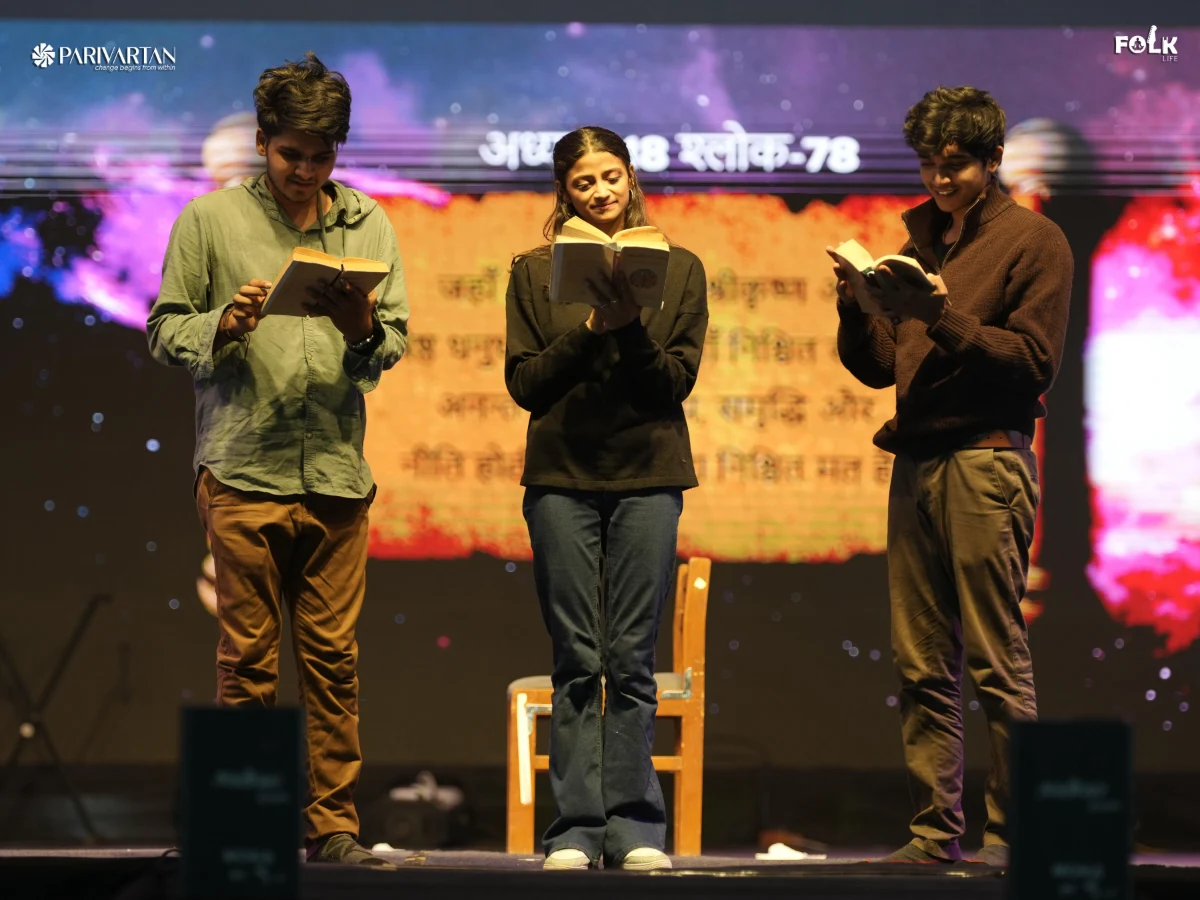
Once the cast is assembled, an early read-through allows everyone to hear the play together. Lines that seemed straightforward on the page may reveal unexpected humour or tension when spoken aloud. The group begins to notice the rhythm of conversations and the shifts between scenes.
Asking questions before finding answers
Why does a character avoid a particular subject? What happened before this scene? Is a polite sentence actually a warning? These questions help actors move beyond simply delivering dialogue. Early discussion builds a shared understanding while leaving room for discoveries in rehearsal.
4. Rehearsals Turn Words into Action
Rehearsal is where ideas meet the practical reality of bodies in a room. Actors explore movement, relationships, pace, and intention. A scene may be repeated many times, with small adjustments changing its meaning. Standing closer might make a moment intimate; stepping away might reveal distrust.
Blocking: deciding where and how actors move
Blocking is the planned movement and positioning of performers. It helps audiences follow the action and understand relationships. Who takes the centre of the space? Who stays near the exit? Can viewers see an important reaction? Good blocking supports the story rather than filling the stage with unnecessary movement.
Listening matters as much as speaking
Memorising lines is essential, but acting also depends on attention. Performers need to hear what their scene partners are doing and respond within the character’s circumstances. Rehearsal develops that responsiveness, so a performance feels like an unfolding exchange rather than a sequence of memorised speeches.
This is also why a dependable rehearsal space matters. For groups seeking a rehearsal studio in Ahmedabad, hourly hire can help organise focused sessions around specific goals: working through a difficult scene, refining movement, or practising a complete run.
5. Creating the World of the Play
Design gives the story a physical and sensory language. That does not require an elaborate set. A few chairs, a carefully chosen costume, or a change in sound can suggest an entire setting when the choices are consistent and purposeful.
Sets, props, and costumes
The set establishes the space in which the action unfolds. Props are objects performers use, such as a letter, cup, or bag. Costumes can suggest period, occupation, personality, or social context. Together, these elements help audiences understand the world without lengthy explanations.
They also need to function reliably. An actor may need to retrieve a letter quickly, sit comfortably in a costume, or carry an object while speaking. Introducing relevant rehearsal props early can reveal practical problems before the final stages.
Lighting and sound
Lighting directs attention and can suggest time, atmosphere, or a shift in perspective. Sound might establish a location, mark an event beyond the visible stage, or support a transition. Silence is a choice too. The aim is not to add effects everywhere, but to use them where they strengthen the storytelling.
6. The Quiet Work of Production Planning
Creative exploration needs organisation behind it. Rehearsal schedules must account for people’s availability. Design decisions need time to become usable objects. Someone must track which props are needed in each scene and communicate changes to the people affected.
Clear records reduce avoidable confusion. Depending on the production, these might include:
- A rehearsal schedule with goals for each session.
- A props list showing where items are used and stored.
- Notes on entrances, exits, and scene changes.
- A cue list for lighting, sound, and other technical actions.
- A checklist for preparing the performance space.
Practical planning also includes safety: keeping routes clear, checking that set pieces are stable, and handling equipment appropriately. These tasks may be invisible to the audience, but they help performers and crew concentrate on the show.
7. Technical Rehearsals Bring the Pieces Together
Eventually, the acting, design, and technical elements must operate as one performance. A technical rehearsal focuses on this integration. Lighting changes, sound cues, entrances, and transitions are tested in relation to the action on stage.
This can be a stop-and-start process. A transition might take longer than expected. Music might cover an important line. An actor’s position might need adjusting so their face remains visible. Finding these issues is the purpose of the rehearsal, not a sign that something has gone wrong.
From cue-to-cue to dress rehearsal
A cue-to-cue rehearsal works through selected moments around technical changes rather than necessarily performing every scene in full. A dress rehearsal aims to bring the production closer to performance conditions, including costumes and the elements available for the show.
At this stage, clear communication matters more than last-minute complexity. The team is working towards a performance that can be delivered consistently while still feeling alive.
8. Opening Night Adds the Audience
Before the doors open, the team prepares the space, checks equipment, places props, and gets ready to perform. Actors may warm up their bodies and voices or revisit moments that require particular focus. Familiar routines help settle nerves and direct attention towards the work.
Then the audience arrives, adding something rehearsal cannot fully reproduce. Laughter changes the timing of a line. A shared silence gives a scene a different weight. Performers must stay attentive without losing the structure they have built.
This exchange is part of what makes live theatre special. The production is carefully prepared, but the experience happens in the present, between the people on stage and the people watching. After a performance, practical checks and focused notes can help the team prepare for the next one.
Experience the Process at Prayogshala
Understanding the work behind a play can make your next theatre visit more rewarding. Watch how an entrance shifts the energy, how a prop gains significance, or how lighting quietly draws your eye. You do not need technical knowledge to enjoy a performance, but noticing these details opens another layer of appreciation.
Prayogshala in Ahmedabad offers live theatre shows in Gujarati, Hindi, and English, acting and theatre workshops called Rangayan, and rehearsal studios for hourly hire. Whether you want to watch a story unfold, explore performance yourself, or find space to rehearse with your group, these are different ways to connect with theatre.
If you are looking for acting workshops in Ahmedabad, enquire about Rangayan’s current format and suitability for your experience level. If you need rehearsal space, discuss availability and your group’s requirements before booking.
Frequently asked questions
How long does it take to prepare a theatre production?
There is no fixed timeline. Preparation depends on the script, cast availability, design requirements, and rehearsal schedule. Productions need enough time not only to learn scenes, but also to integrate technical elements and practise transitions.
Do I need acting experience to join a theatre workshop?
Requirements vary by workshop. If you are new to acting, ask about the intended experience level, activities, and commitment involved. Contact Prayogshala for details about current Rangayan workshops and which option may suit you.
Can I hire rehearsal space at Prayogshala?
Prayogshala offers rehearsal studios for hourly hire. Enquire about availability, facilities, booking terms, and suitability for your planned session before confirming your booking.
Ready to see the work come alive? Explore what is currently available at Prayogshala and book a show—or enquire about joining a Rangayan workshop to take your own first step into theatre.