From Script to Stage: The Art of Live Storytelling
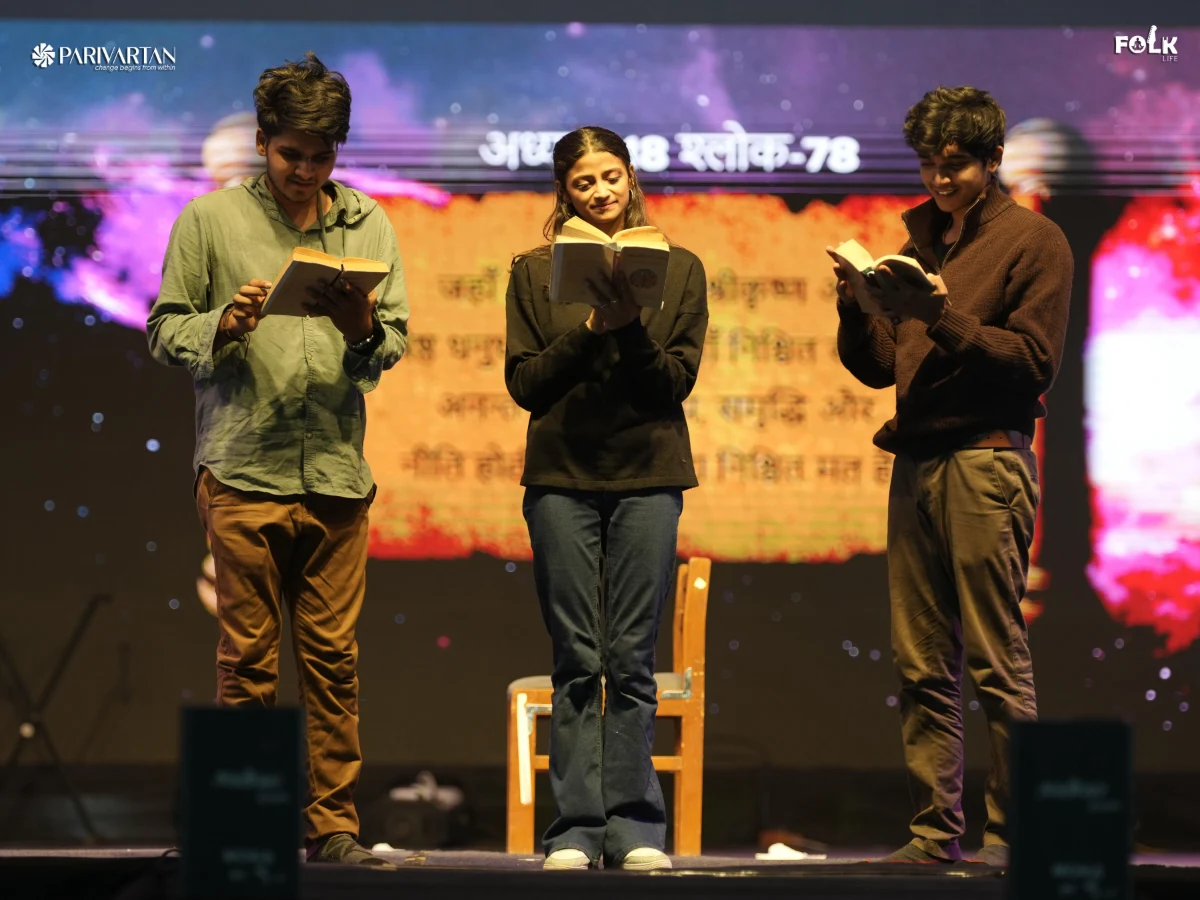
A script begins as words on a page. On stage, those words acquire breath, movement, silence and consequence. A pause can reveal a secret. A glance can change a relationship. An empty chair can make someone’s absence feel almost tangible. This is the art of storytelling in live performance: transforming written possibilities into a shared experience. For anyone discovering theatre in Ahmedabad, understanding that transformation opens up a richer way to watch, learn and create.
The Script: A Blueprint, Not the Whole Building
A play gives performers dialogue, situations and clues about the world they inhabit. But the text is only the beginning. Theatre-makers must discover what drives each scene and why an audience should care.
At the heart of most compelling stories is someone who wants something and faces resistance. The desire might be as large as freedom or as intimate as an apology. What matters is that the pursuit has consequences.
Early script exploration often centres on three questions:
- What does each character want? A clear objective gives dialogue direction.
- What stands in the way? Resistance creates tension and demands choices.
- What changes? A discovery, refusal or decision can move the story forward.
These questions turn reading into investigation. Rather than simply deciding how a line should sound, performers begin asking what the line is trying to achieve.
Finding the Story Beneath the Dialogue
People rarely say everything they mean. A character who asks, “Are you leaving already?” might be expressing disappointment, suspicion or relief. The spoken words stay the same; the underlying intention changes the scene.
This hidden layer is called subtext. Actors explore it through the character’s circumstances, relationships and immediate needs. A warm smile paired with a guarded posture may tell us more than an emotional speech.
Make Emotion Playable
Instead of trying to “look sad,” an actor might attempt to keep a friend from walking away. Instead of “being angry,” they might challenge someone to admit the truth. These active intentions give emotion a dramatic purpose.
The result is storytelling that feels less like a demonstration and more like life unfolding. Audiences are invited to interpret behaviour, not merely receive information.
The Actor’s Tools: Voice, Body and Attention
Live performance makes the whole actor part of the narrative. Voice, movement and attention work together to make choices readable without making them obvious.
Voice Gives Thought Shape
Pace, emphasis, articulation and silence affect how a line lands. A rushed answer may suggest nervousness; a measured response may signal authority or careful concealment. Vocal work helps performers communicate clearly while preserving the character’s intention.
The Body Carries History
A character’s posture, distance from others and relationship to space can suggest confidence, fatigue or unease. Movement becomes meaningful when it serves the scene. Crossing the stage should express a need or respond to an event, rather than simply fill an empty moment.
Listening Keeps the Scene Alive
An actor’s work does not stop when another person speaks. Genuine attention allows reactions to grow from what is happening now. That responsiveness helps familiar dialogue feel newly discovered at every performance.
Direction and Design Create a Shared World
The director helps connect individual performances into a coherent whole. Working with the ensemble, they shape the production’s rhythm, relationships and focus. Blocking—where performers move and stand—can clarify conflict before anyone speaks. Two people facing away from each other tell a different story from two people sharing a narrow bench.
Design contributes another storytelling language. Light can guide attention or suggest a change in atmosphere. Sound can establish a world beyond the stage. Costume and props can reveal habits, status or memory.
The strongest choices support the same dramatic purpose. A nearly bare stage can be deeply evocative when every element matters; a detailed setting works when it helps the audience understand the action.
Rehearsal: Where Possibilities Become Choices
Rehearsal is not simply repetition until everyone remembers their lines. It is a process of testing, listening and refining. An interpretation that makes sense at a table may feel different once actors move through the scene together.
- Explore: Read closely, discuss relationships and investigate the play’s circumstances.
- Experiment: Try different intentions, movements and rhythms without settling too quickly.
- Refine: Keep choices that clarify the story and reconsider those that distract.
- Connect: Run longer sections to understand the performance’s overall journey.
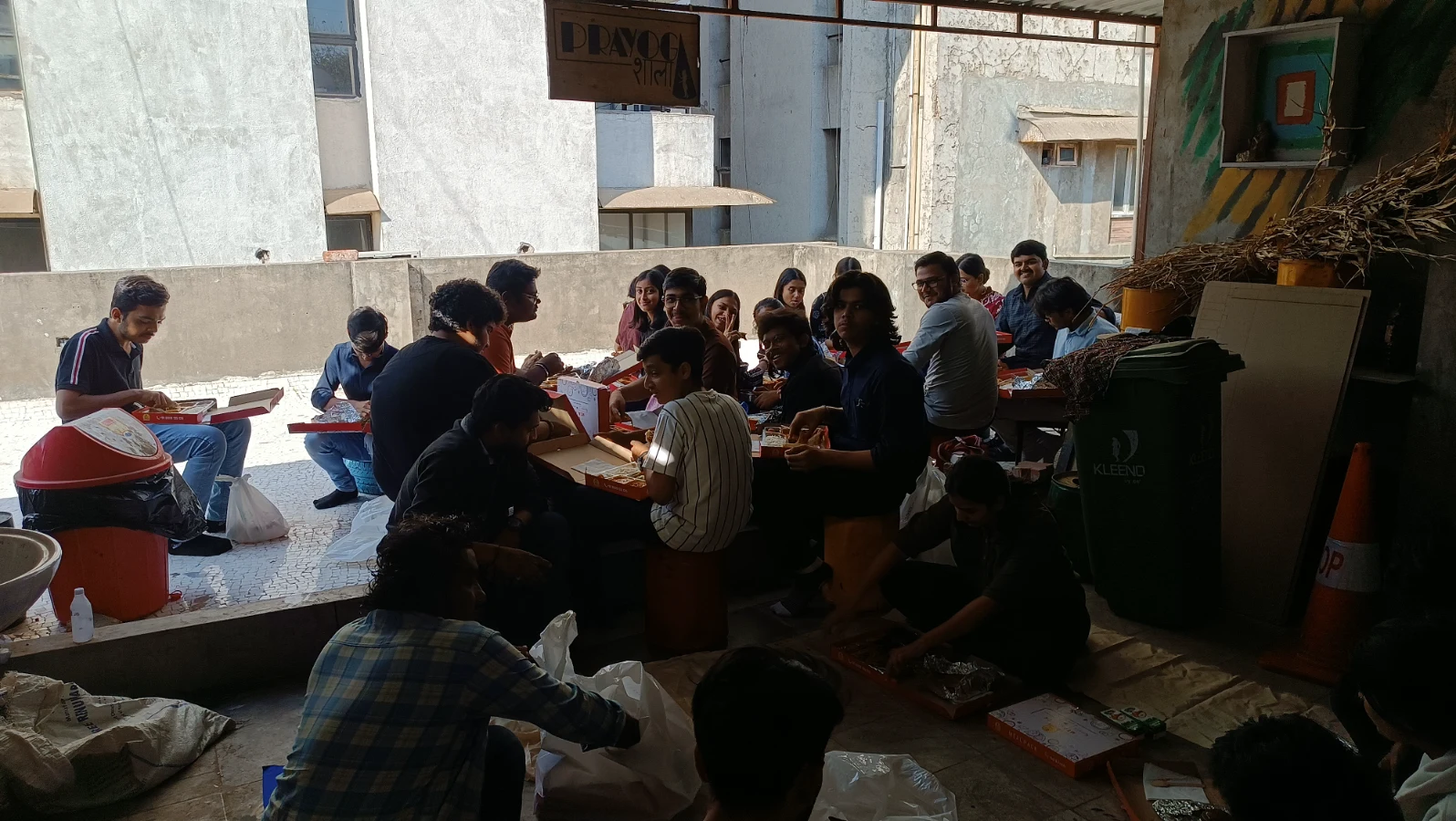
For groups developing work, a dedicated rehearsal space supports focused practice. Prayogshala offers rehearsal studios for hourly hire in Ahmedabad, giving theatre-makers an option to consider as they move from discussion to performance.
The Audience Completes the Story
Unlike a recorded performance, theatre unfolds in the presence of its audience. Laughter, attentive silence and anticipation become part of the room’s energy. Performers maintain the production’s structure while remaining sensitive to that shared experience.
This is why watching live theatre can be rewarding even when you already know the plot. You are not only discovering what happens; you are witnessing how it happens tonight.
Prayogshala offers live theatre shows in Gujarati, Hindi and English. Experiencing storytelling across languages can draw attention to different rhythms and expressions, while revealing familiar human desires beneath them.
Discover the Storyteller in Yourself
You do not need to begin with a polished performance. Start with a short scene and one clear question: what does your character need from the other person? Try playing the scene with different intentions, then notice how the meaning shifts.
If you are exploring acting workshops in Ahmedabad, consider Prayogshala’s Rangayan acting and theatre workshops. A workshop can offer a setting to practise, ask questions and discover how individual choices contribute to a shared story. Check the current workshop details to find an option suited to your interests and experience.
Frequently asked questions
What makes storytelling in live theatre different?
Actors and audiences share the same unfolding moment. Voice, physical presence, space and audience response give the story an immediacy that distinguishes live performance.
How can I begin learning acting in Ahmedabad?
Watch plays, read scenes aloud and explore structured learning opportunities. Check Prayogshala’s current Rangayan workshop information for participation requirements and suitability.
Can I hire a rehearsal space at Prayogshala?
Prayogshala offers rehearsal studios for hourly hire. Contact the venue to confirm availability, facilities and booking arrangements for your group.
Experience the journey from script to stage. Book a show or explore joining a Rangayan workshop at Prayogshala—and discover what a story can become when people bring it to life together.